Dalhousie University, located in Halifax, Nova Scotia, is one of Canada’s oldest and most prestigious post-secondary institutions. Founded in 1818 by George Ramsay, the ninth Earl of Dalhousie, the university began as a non-denominational college aimed at providing higher education to all regardless of class or religion. Although classes did not begin until 1838, Dalhousie has grown steadily over the past two centuries. Major developments include its merger with the Technical University of Nova Scotia in 1997 and the Nova Scotia Agricultural College in 2012. Today, Dalhousie is a member of the U15 Group of Canadian Research Universities and plays a key role in Atlantic Canada’s educational and economic landscape.

Dalhousie is home to 13 academic faculties that offer over 200 undergraduate, graduate, and professional degree programs. Some of the most popular and well-regarded programs are found in the faculties of Computer Science, Engineering, Health, and Agriculture. The Faculty of Computer Science offers specializations in areas such as artificial intelligence, cybersecurity, and data science. Engineering students can choose from disciplines like mechanical, civil, electrical, and biomedical engineering. The Faculty of Agriculture, based at the university’s Truro campus, is the only one of its kind in Atlantic Canada and includes programs in animal science, environmental science, and agribusiness. Dalhousie also maintains strong professional faculties in medicine, dentistry, law, nursing, and health professions, making it a comprehensive university that blends research, theory, and hands-on training.
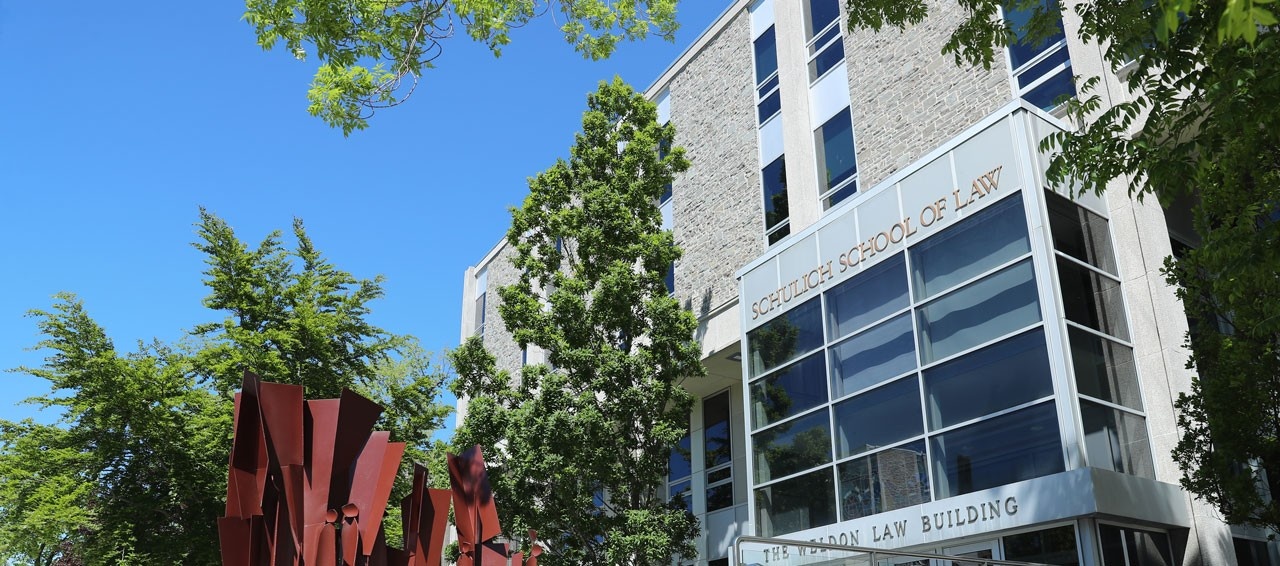
The student population at Dalhousie is diverse and dynamic. The university enrolls more than 20,000 students each year, with roughly 62 percent coming from outside Nova Scotia and about 24 percent being international students from over 115 countries. Dalhousie has a long history of breaking barriers in higher education—it awarded its first degree to a woman in 1885 and graduated its first Black law student in 1896. The university continues to foster inclusivity through programs such as the Indigenous Black & Mi’kmaq Initiative in its Schulich School of Law, as well as various student support services aimed at enhancing diversity and equity on campus.
Graduates of Dalhousie University enjoy strong career prospects due to the university’s emphasis on academic excellence, experiential learning, and industry connections. Co-operative education programs and internships are available across many faculties, allowing students to gain real-world experience before graduation. Fields such as computer science, engineering, health care, and law have especially strong employment outcomes, with graduates often moving into professional roles within Canada and internationally. Dalhousie’s commitment to research also benefits graduate students, who develop critical thinking and problem-solving skills that are highly valued by employers. With more than 157,000 alumni worldwide, including over 90 Rhodes Scholars, Dalhousie’s graduates contribute meaningfully across sectors such as public service, academia, business, journalism, and environmental advocacy.
In summary, Dalhousie University stands out for its historical significance, academic breadth, and commitment to student success. Its vibrant community, wide range of programs, and strong career preparation make it a compelling choice for students seeking a well-rounded and future-focused education in Canada.